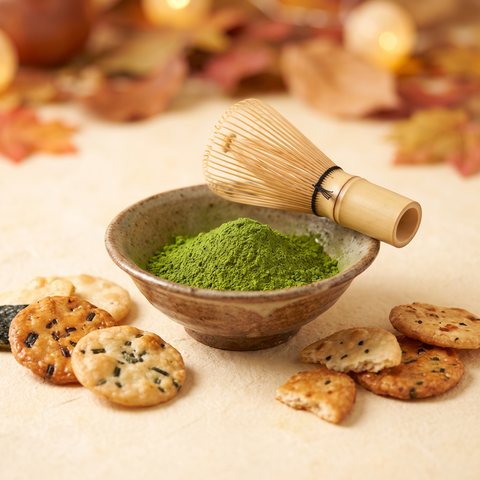
What Japanese aojiru is, what it is made from, how it differs from green tea, and how to mix it. A look at young barley grass and kale green juice powders.
A guide to the difference between hair oil, hair milk, and styling oil, how to match a product to your hair's condition, and the right order to apply them in.
Pencil, powder or a compact palette for brows: a practical look at how Japanese eyebrow formats differ and how to pick color and tools for your routine.
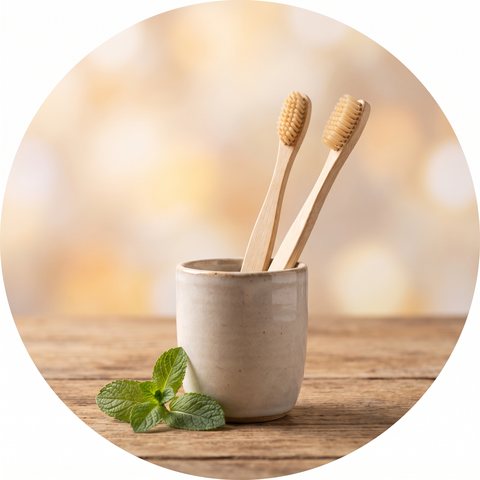
A look at what makes Japanese toothbrushes different: compact heads, soft bristle grades, age-specific kids sizes, and separate care products for partial dentures.
Ramen, udon and yakisoba instant noodles differ in broth, noodle texture and cooking method. A practical guide to choosing and preparing each Japanese format.
A guide to Japanese GABA, L-theanine, glycine and probiotic supplements for relaxation and sleep: what each ingredient does, typical doses, and which products are in the Eurasia Japan catalog.
A practical guide for US shoppers to Japanese hair care: Tsubaki shampoo and conditioner, Fino and Tsubaki masks, &honey and BOTANIST oils, ReFa scalp brushes, plus how US duty, the ¥8,000 minimum and shipping restrictions work.
How US shoppers order Japanese skincare from Tokyo: prices shown in US dollars, US import duty prepaid at checkout, the ¥8,000 minimum, what cannot ship, and eight Hada Labo, Curél, MINON, Sekkisei and Keana Nadeshiko picks.
What makes sense to order from Tokyo to EU countries: skincare and hair care, tea, stationery, toothpaste, supplements. And what Japan Post does not accept: aerosols and pressurised containers, alcohol-based perfume, batteries and more.
How to order Japanese cosmetics from Tokyo to an EU country: a site in Russian and English, the minimum order by country, who pays VAT, prices in euros, Japan Post tracking, returns and what to pick for a first order.
Ordering Japanese skincare, hair care and body care from Tokyo to Germany: why the minimum order is ¥30,000, who pays import VAT, how euro prices and Japan Post tracking work, and which products make sense to combine.
Proxy services buy anything in Japan for you, including auctions and flea-market apps. A Tokyo shop like Eurasia Japan sells its own catalog with one checkout, upfront prices in your currency, no per-item service fee and Japan Post tracking. Here is when each one fits.
How ordering Japanese skincare from Tokyo to an EU country works: the minimum order by country, who pays VAT and when, how prices in euros are shown, Japan Post tracking, returns and what cannot travel by post.
Powder, drink, jelly or tablets: how Japanese collagen from Meiji, Shiseido, DHC, Dear-Natura and others differs, how much collagen is in a serving, whether it is fish or pork, and how to order it from Tokyo to Almaty, Astana or Bishkek under the EAEU €200 threshold.
How to build a Japanese skin care routine and order it from Tokyo to Bishkek, Osh and other cities in Kyrgyzstan: how Hada Labo, Curél, MINON and CareCera differ, a basic routine, prices in som, the EAEU €200 threshold and delivery times.
DHC, FANCL, Orihiro, Dear-Natura and Nature Made shipped from Tokyo to Almaty, Astana and other cities in Kazakhstan: how the brands differ, how to read the label, what EAEU customs rules mean for you and how to place an order.
How to order Japanese cosmetics from Tokyo to Almaty, Astana, Shymkent and other cities in Kazakhstan: checkout, prices in tenge, the EAEU €200 threshold, Japan Post delivery times, what cannot be mailed and which products people order most.
Japanese deodorant sticks from Ban, Deoco and Fine Today, Biore body sheets, Atrix and Hatomugi hand creams and body milks from MINON and Biore u: how to choose, why we feature sticks rather than sprays or roll-ons, and how prepaid US duty works.
How to order CANMAKE, CEZANNE and Heroine Make from Tokyo to a US address: what each brand is known for, eight picks for eyes, brows, cheeks and lips, why foundations, SPF bases and nail polish are left out, and how prepaid US duty works.
Several Japanese NMN brands have landed in the catalog at once. Here is how they differ in dosage, capsule formula and price per day, and how to read the label before you buy.
ReFa and LOVECHROME make brushes and combs built for a specific job: scalp massage, shampooing, detangling or blow-dry styling. Here is how the main types differ and how to choose one.
A guide to the Curél UV line: essence, lotion, tinted and untinted makeup bases, tinted milk and a UV serum. How the formulas differ and which one fits dry, sensitive skin.
Meiji's SAVAS makes whey, soy and casein protein for different goals. A guide to Whey Protein 100, Weight Down, Shape & Beauty and Junior Protein lines.
A toothbrush and paste do not reach between the teeth or clean the tongue. Here is how to choose a Japanese mouthwash, floss and tongue cleaner, and in what order to use them.
A practical guide to choosing Japanese body milk and hand cream by skin type, season and purpose, covering formulas from FANCL, MINON, Biore and other brands at Eurasia Japan.
A practical look at Japanese DHA, EPA, ginkgo biloba and plasmalogen supplements: how they differ, how to read the dosage on the label, and which format fits which goal.
Curél is a Japanese skincare brand built around a ceramide-care ingredient for dry, sensitive skin. Here is how the Intensive Moisture Care, Aging Care, Whitening Care and Sebum Trouble Care lines differ and how to choose between them.
A guide to Japanese pens by type: fountain pens from Sailor and Pilot, smooth gel and ballpoint ink from Uni, and lead-protected mechanical pencils from Pentel. What suits the office, a journal or a gift.
A guide to Japanese Kao Laurier and Sofy sanitary pads: daytime, overnight, ultra thin and cotton types. How to match length, absorbency and material to your needs.
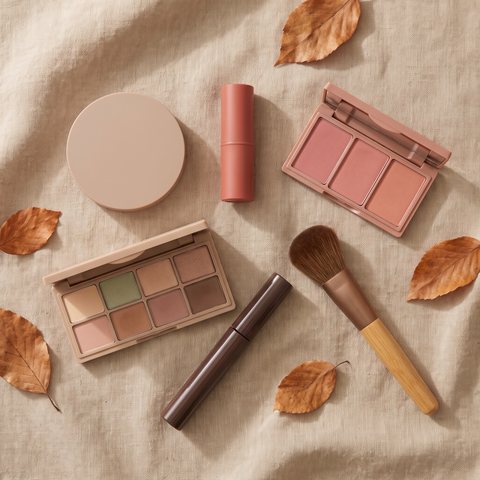
A practical guide to choosing a Japanese makeup base, lightweight foundation, coil-brush mascara and eyeshadow palette that match your skin type and tone.
A practical guide to Japanese snacks and sweets: where to start, which formats count as classics, and how to choose between cookies, candy and jelly treats.
Sencha, gyokuro, matcha, hojicha and genmaicha differ in how the bush is grown and the leaf is processed. Here is what sets them apart in taste and strength, and how to brew each one.
How to choose between a Japanese powder and a concentrated gel, what antibacterial and indoor drying formulas are for, and how to dose a concentrate correctly.
A guide to Japanese hair masks: how a rinse-off mask differs from a leave-in milk or treatment, how often to use each one, and which Japanese lines suit which hair needs.
Japanese shampoos are built around specific scalp concerns: medicated formulas for dandruff and itching, volumizing lines for thinning hair, and gentle care for color-treated and mature hair.
Japanese lotion (kesuisui) does a different job than a Western toner: it is the main hydrating step right after cleansing. Here is what it does, how to apply it and which type to pick.
A practical guide to Japanese sheet masks: how pore care, hydration and brightening formulas differ, how often to use them and what to check on the label.
Japanese cleansing oil removes makeup and sunscreen without stripping the skin. Here is how to choose the right formula for your skin type and do double cleansing correctly.
A Japanese routine is five or six steps in a fixed order, from the thinnest texture to the thickest. Here is what each step does, how the morning and evening schedules differ, and where the Japanese approach diverges from Korean skincare.
A block-by-block guide to Japanese supplement labels: where the daily serving is printed, how to read the ingredient and nutrition panels, how dates are written, and what the 栄養機能食品, 機能性表示食品 and FOSHU categories mean.
DHC, FANCL, Orihiro, Kobayashi Pharmaceutical and Dear-Natura are built on different logics: single ingredients, age packs, value sizes, narrow formulas and detailed labels. Here is which format suits whom.
A practical look at the three ingredients behind Japanese anti-aging supplements: placenta extract, NMN and hyaluronic acid. What the numbers on the pack mean, which formats exist and how to compare products fairly.
Bifidobacteria, lactic acid bacteria, prebiotics and plant enzymes: how they differ, what the BB536, EC-12 and Shield strain codes mean, which format to pick and how to take Japanese gut supplements.
A practical guide to Japanese weight management supplements: dietary fiber, gymnema and white kidney bean formulas, carnitine, protein shakes and teas. How to read labels, when to take them and what to expect.
A practical guide to Japanese liver supplements: ornithine, ukon turmeric, shijimi clam extract, liver hydrolysate and oyster. How to read the daily serving on a Japanese label, what the Food with Function Claims mark means, and what is in the catalogue.
Bilberry extract, lutein with zeaxanthin and astaxanthin compared: what each ingredient does, which label numbers actually matter and how to pick a Japanese eye supplement for your routine.
Glucosamine, chondroitin, type II collagen and proteoglycan: what these ingredients mean on a Japanese joint supplement label, and how to choose a formula by dosage and format.
Japanese bath powders, tablets, salts and liquids: how the formats differ, what the minerals on the label mean, how to dose them and how long to soak, with a selection from the catalog.
Japanese pet supplements are built around one job at a time: eyes, urinary tract, liver, gut and oral care. A practical guide to ingredients, formats, dosing by body weight and what is available in the Eurasia Japan catalog.
What Pitera actually is, how to apply SK-II Facial Treatment Essence to damp skin, how long a 230 ml bottle lasts, and how the essence differs from a lotion, a toner and a serum in a Japanese routine.
EXCIA and EMBEAGE are two tiers of ALBION's premium range. How they differ, why the milk goes on before the lotion, and which items make the most sensible starting point.
How Japanese knife shapes (gyuto, santoku, petty, nakiri, yanagiba) differ, what VG10, Aogami and Shirogami steels mean in practice, plus hardness, bevels and care, with knives available from Eurasia Japan.
FANCL age packs for the 20s to 60 plus differ by which extra components sit on top of the shared vitamin base, not by dose. Here is what changes at each step and how the men and women versions compare.
A practical comparison of three popular Japanese collagen brands by formula, format and cost per course, plus a simple method for working out the real price per day.
A practical guide to the four formats of Japanese collagen: powder, drinks, tablets and jelly sticks. How they differ in dose and cost per day, how to read a Japanese label, and how to take collagen as a course.
How the sensible choice of Japanese supplements shifts in your 30s, 40s, 50s and 60s: base multivitamins, iron, collagen, equol and isoflavones, calcium with vitamin D, and glucosamine for joints.