Japanese Instant Noodles: Ramen, Udon and Yakisoba, How to Choose and Cook Them
26 October 2026 · 6 min read
Ramen, udon and yakisoba instant noodles differ in broth, noodle texture and cooking method. A practical guide to choosing and preparing each Japanese format.
Japanese Instant Noodles: Ramen, Udon and Yakisoba
Japanese instant noodles are far more than a quick fix: major brands have spent decades refining their own broths, noodle textures and sauces, and the formulas barely change from year to year. The short answer to the main question is that ramen, udon and yakisoba differ not just in noodle shape but in how they are prepared, so the right choice depends on the flavor you want, how much time you have, and whether you prefer a broth or a dry sauce.
Ramen, Udon and Yakisoba: What Sets Them Apart
These three formats only have cooking speed in common.
- Ramen uses thin wheat noodles served in a broth, most often soy sauce (shoyu), miso, salt (shio) or pork bone (tonkotsu). Cup versions use either freeze-dried or fried noodles, and the broth is made by pouring hot water straight into the cup.
- Udon uses thicker, chewier wheat noodles. The Kansai (Osaka) style broth is built on kombu, bonito and dried fish stock, giving a milder, less salty result than soy-based ramen.
- Yakisoba noodles are not served in broth at all. They are stir-fried on a griddle or, in cup form, soaked in hot water that is then drained before a thick soy-based sauce with fruit and spices is mixed in.
Reading the Package and Ingredients
Japanese instant noodle packaging lists the broth type (shoyu, miso, shio, tonkotsu), how the noodles were made (fried or freeze-dried), the net weight, and the toppings already included, such as dried meat, shrimp, vegetables or fish cake (kamaboko). Ingredient lists commonly mention wheat, egg, soy, fish (including mackerel) and gelatin: these are standard components of the broth and toppings, not additives. The manufacturer specifies an exact cooking time and water amount, and it is worth following them closely so the noodles don't turn mushy or stay undercooked in the center.
How to Prepare Each Type
For cup noodles with broth (ramen, udon), the steps are the same:
- Peel the lid halfway and remove any separate seasoning sachets.
- Pour hot water up to the fill line printed inside the cup.
- Close the lid and wait 3 to 5 minutes, following the time printed on the package.
- Stir well and add any seasoning or toppings included in the kit if they were not already in the cup.
Yakisoba works differently: hot water is poured in to soften the noodles, then fully drained through the small opening in the lid while the lid holds the noodles in place, and only after that is the sauce added and mixed thoroughly. If the noodles feel too cool for the sauce to coat evenly after draining, a short 20 to 30 second reheat without adding more water usually fixes it.
What to Look For When Choosing
- Broth style. Shoyu and shio give a lighter, saltier flavor, miso is richer and more filling, and tonkotsu is thicker and fattier thanks to the pork-based stock.
- Noodle texture. Freeze-dried noodles, the method used in lines like Nissin Raoh, keep a texture closer to fresh noodles from a noodle shop, while fried noodles cook a bit faster but have the more familiar, classic cup-noodle bite.
- Included toppings. Udon often comes with seasoned fried tofu (abura-age) and fish cake (kamaboko), pork-flavored ramen usually includes dried meat pieces and vegetables, and yakisoba keeps toppings minimal since the sauce carries most of the flavor.
- Portion size. Cups range from compact portions around 78 g to denser ones closer to 120 to 130 g, which is worth checking if the noodles are meant to replace a full meal rather than serve as a snack.
A Short Note on the Brands
Nissin, Maruchan and Peyoung are three Japanese manufacturers, each with its own history and approach to broth or sauce. Nissin's Cup Noodle line uses a classic soy-based broth with toppings, while its Raoh line relies on freeze-dried noodles for a texture closer to fresh ramen. Maruchan is known for regional udon variations, including the Kansai style with a light broth built on kombu and bonito. Peyoung specializes in yakisoba and keeps a sauce recipe inspired by the classic griddle-fried noodles sold at festival stalls.
Storage and Travel
Cup and bagged instant noodles keep at room temperature; the main things to avoid are crushing the cup and letting moisture get under the lid before cooking. This makes them convenient for travel, since all that is needed is a source of hot water.
What's in the Eurasia Japan Catalog
The food, snacks and tea category carries a few formats of Japanese instant noodles:
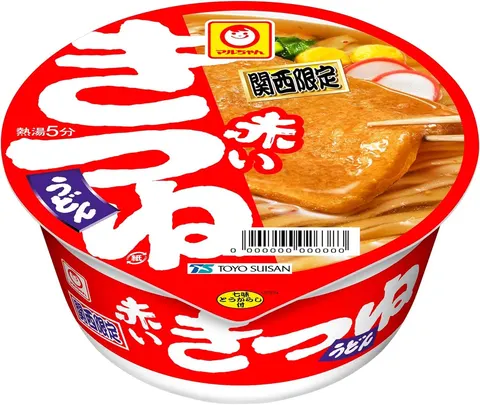
- Maruchan Akai Kitsune Udon from Maruchan: Kansai-style udon with a kombu and bonito broth, seasoned fried tofu (abura-age) and fish cake (kamaboko), 96 g, from 390 yen.
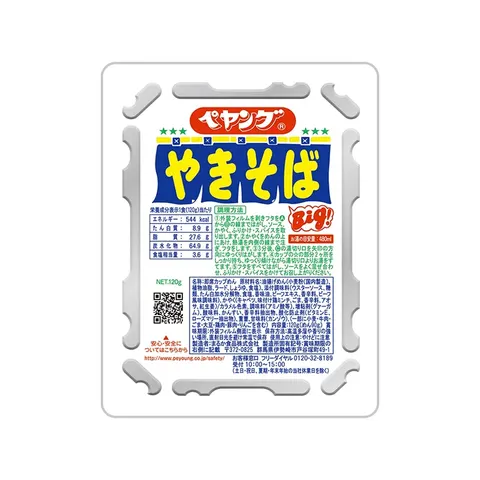
- Peyoung Sauce Yakisoba from Peyoung: a classic cup yakisoba with a sauce styled after griddle-fried noodles, 120 g, from 510 yen.
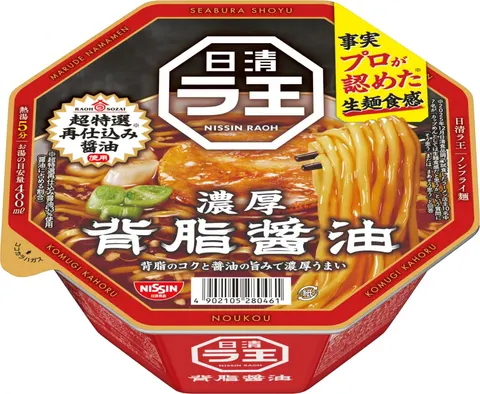
- Nissin Raoh Seabura Shoyu from Nissin: soy-based ramen with pork fat flavor, made with freeze-dried, non-fried noodles, 113 g cup, from 720 yen.
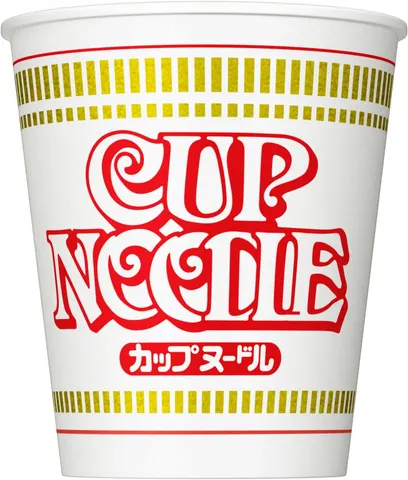
- Nissin Cup Noodle from Nissin: the classic soy-based cup noodle with pork mince, shrimp, corn and green onion toppings, 78 g cup, from 470 yen.
Frequently Asked Questions
Can I order just instant noodles, without anything else? The store's minimum order is 22,000 yen in merchandise, so noodles are best added to an order alongside other Japanese products from the catalog.
How long does shipping from Tokyo take? Orders usually ship from Tokyo within 3 to 10 business days, and EMS transit time runs 5 to 14 days.
How does cooking yakisoba differ from cooking ramen? Ramen and udon are made by pouring in hot water and eating the noodles with the broth, while yakisoba noodles are soaked, then drained, and the sauce is mixed in without any liquid.
What does "freeze-dried" mean on the package? It refers to a drying method that does not involve frying the noodles in oil. The manufacturer states that this keeps the texture closer to fresh noodles for longer.
Do these noodles need refrigeration? No, both cup and bagged instant noodles are shelf-stable at room temperature until the expiration date printed on the package.
Products from this article
Catalog sections on this topic
Related articles
- Japanese Aojiru: Young Barley Grass and Kale Green Juice Powder
What Japanese aojiru is, what it is made from, how it differs from green tea, and how to mix it. A look at young barley grass and kale green juice powders.
- Japanese Snacks Guide: What to Try First
A practical guide to Japanese snacks and sweets: where to start, which formats count as classics, and how to choose between cookies, candy and jelly treats.
- Types of Japanese Green Tea: Sencha, Matcha, Gyokuro, Hojicha and Genmaicha, and How to Brew Them
Sencha, gyokuro, matcha, hojicha and genmaicha differ in how the bush is grown and the leaf is processed. Here is what sets them apart in taste and strength, and how to brew each one.