Japanese Stress and Sleep Supplements: GABA, L-Theanine and Glycine Explained
25 October 2026 · 6 min read
A guide to Japanese GABA, L-theanine, glycine and probiotic supplements for relaxation and sleep: what each ingredient does, typical doses, and which products are in the Eurasia Japan catalog.
If evenings leave you wired instead of relaxed, or sleep feels shallow, Japan has a distinct category of dietary supplements for that, separate from sleep medication. The ingredients that show up most often are GABA (gamma-aminobutyric acid), L-theanine, glycine and specific strains of lactic acid bacteria. These are dietary supplements, not drugs: makers describe them as support for relaxation and everyday comfort rather than a treatment for insomnia, anxiety disorders or any other diagnosis. Here is what each ingredient does and how to pick a format that fits your routine.
What GABA is and why people take it
GABA is an amino acid that acts as a neurotransmitter in the body. In Japanese supplements it is usually derived from fermented grain, such as barley, and sold as capsules or tablets with a per-serving dose ranging from about 15 mg to 200 mg. Makers describe GABA as traditionally associated with a sense of calm during the day and with winding down before bed. Some GABA products in Japan are registered under the "Foods with Function Claims" system: the manufacturer files a notification with the regulator and prints a specific, approved claim on the package. This is a separate regulatory category from a medicine, and it does not carry a drug status.
L-theanine: relaxation without drowsiness
L-theanine is an amino acid most commonly associated with green tea. In supplements it is often paired with GABA, and makers describe that combination as suited to people who want to release evening tension without a strong sedative effect during the day. L-theanine is frequently sold in powder sticks that are easy to carry and dissolve in water or take dry. Typical doses in Japanese products sit in the 100 to 200 mg range per serving.
Glycine: a supplement built around an evening ritual
Glycine is a simple amino acid that Japanese supplements often dose at a high level, from roughly 1,000 to 3,000 mg, usually combined with a smaller amount of L-theanine. It is sold as powder sachets or as a jelly that can be eaten right before bed without water. Makers frame glycine as part of an evening routine alongside sleep hygiene habits: a consistent bedtime, dimming screens, and a calm bedroom environment.
Probiotics and sleep quality: a less obvious link
A separate group of products works through the gut rather than the nervous system. Japanese brands sell supplements with heat-killed strains of lactic acid bacteria, such as L. gasseri CP2305, which makers associate with everyday stress levels, sleep quality and general gut condition. These are probiotic-based products rather than classic calming compounds, so they complement GABA and L-theanine formulas rather than replace them.
Formats: capsules, tablets, powder and sticks
The catalog of Japanese stress and sleep supplements comes in four main formats:
- Capsules and tablets: the most compact format, convenient for a daily routine, usually 1-2 pieces a day.
- Powder sticks: easy to carry or plan as a one-off evening dose, dissolved in water.
- Jelly: can be taken without water, useful if you would rather not swallow a tablet at night.
- Jar powder: an economical format for home use, measured with a scoop or sachet.
The right format usually comes down to personal convenience rather than the ingredient itself: some people prefer capsules taken earlier in the day, while others want an evening ritual built around jelly or a warm drink.
How to take these supplements and what to watch for
Every product in this category is meant to be taken within the daily serving printed on the package by the manufacturer, typically 1 capsule, 1-2 tablets, or 1 stick or sachet per day. The instructions on the package are in Japanese, so it is worth checking the product description on the site for the formula and suggested use before ordering. If you take blood pressure medication or other prescription drugs, it is sensible to check with a doctor before starting a GABA or glycine supplement, since some manufacturers note this directly on the label.
What is in the Eurasia Japan catalog
The supplements category on the site carries several products that fit the relaxation and sleep theme:
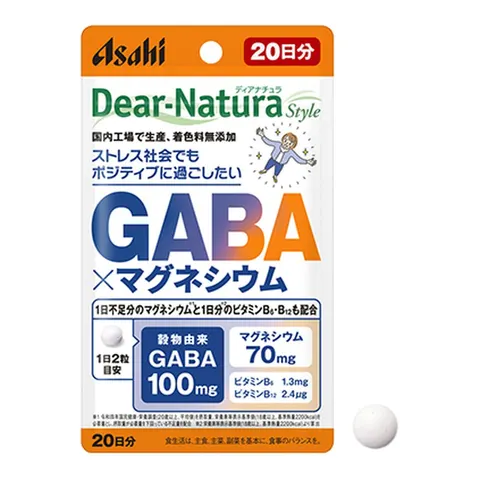
- Dear-Natura GABA×Magnesium (brand Dear-Natura): tablets combining GABA and magnesium for a busy daily schedule, from 1,300 yen.
- DHC GABA (brand DHC): capsules with 200 mg of GABA per serving, a 20-day supply, from 1,010 yen.
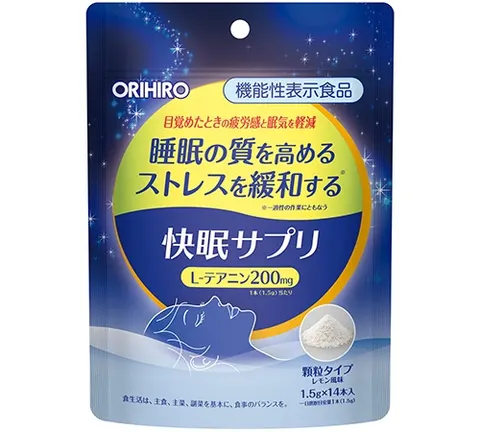
- Orihiro Sleep Supplement powder sticks (brand Orihiro): a powder formula combining L-theanine and GABA in convenient sticks, from 1,840 yen.
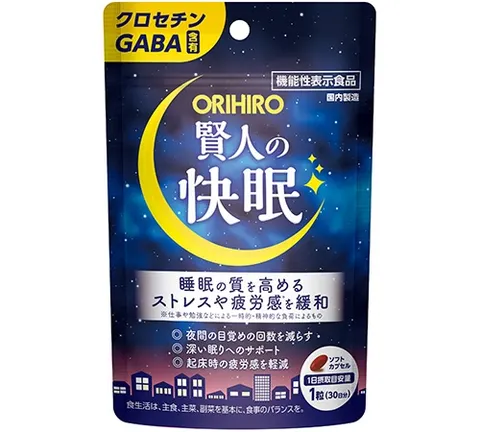
- Orihiro Wise Man's Good Sleep: soft capsules registered under Japan's Foods with Function Claims system, from 2,440 yen.
- Fine Japan Glycine 3000 & Theanine 200 (brand Fine Japan): powder sachets with a high glycine dose and L-theanine, from 2,690 yen.
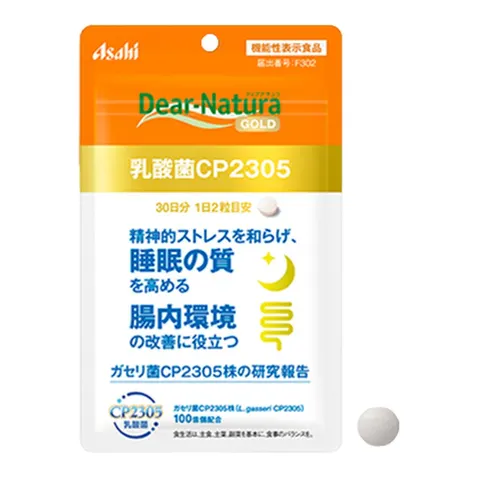
- Dear-Natura Gold with CP2305: tablets with a heat-killed lactic acid bacteria strain, for a 30-day course, from 3,090 yen.
The minimum order on the site is 22,000 yen worth of products, so it is practical to combine these supplements with other Japanese items in a single order. Payment is by card through Stripe, and every order ships directly from Tokyo with a tracking number.
Frequently asked questions
Can I take GABA and L-theanine together? The catalog includes products where the two are already combined in one formula, such as the Orihiro Sleep Supplement. Taking two separate supplements together is worth discussing with a doctor first, especially if you are on other medication.
Are these sleeping pills? No. These are dietary supplements, not medication. Makers describe them as support for relaxation and everyday comfort, not as a treatment for insomnia or other sleep disorders.
How long does shipping from Tokyo take? Orders ship from Tokyo and typically take 3-10 business days to be prepared for shipment, with EMS delivery taking a further 5-14 days depending on the destination country.
Are these supplements suitable for children or during pregnancy? The package instructions are in Japanese and are written for adults. Anyone pregnant, breastfeeding, or considering a supplement for a child should consult a doctor before use.
Why do GABA products list such different doses? The dose depends on the manufacturer's formula: some products use around 15 mg for long-term daily use, while others use 100-200 mg aimed at a single evening dose. The exact figure is listed in each product's description.
This article is for information only and is not medical advice. Consult a doctor before taking supplements.
This article is for information only and is not medical advice. Consult a doctor before taking supplements. Disclaimer & Health Notice
Products from this article
Dear-Natura
1,300JPY
Cashback +65 JPY
Dear-Natura
3,090JPY
Cashback +155 JPY
Catalog sections on this topic
Related articles
- Japanese Collagen: How to Choose and Order to Kazakhstan and Kyrgyzstan
Powder, drink, jelly or tablets: how Japanese collagen from Meiji, Shiseido, DHC, Dear-Natura and others differs, how much collagen is in a serving, whether it is fish or pork, and how to order it from Tokyo to Almaty, Astana or Bishkek under the EAEU €200 threshold.
- Japanese Vitamins and Supplements in Kazakhstan: What to Order from Japan and How It Works
DHC, FANCL, Orihiro, Dear-Natura and Nature Made shipped from Tokyo to Almaty, Astana and other cities in Kazakhstan: how the brands differ, how to read the label, what EAEU customs rules mean for you and how to place an order.
- Japanese NMN Supplements: How to Compare Dosage, Formula and Price per Day
Several Japanese NMN brands have landed in the catalog at once. Here is how they differ in dosage, capsule formula and price per day, and how to read the label before you buy.