Japanese Lotion Is Not a Toner: How It Works and Where It Fits in Your Routine
5 October 2026 · 6 min read
Japanese lotion (kesuisui) does a different job than a Western toner: it is the main hydrating step right after cleansing. Here is what it does, how to apply it and which type to pick.
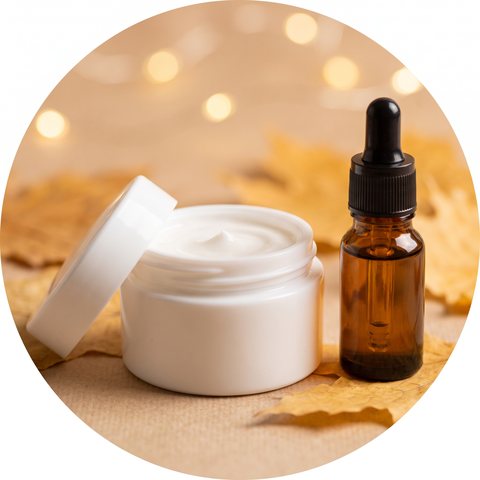
Short answer: a Japanese lotion (化粧水, kesuisui) is not a toner in the Western sense. A Western toner typically removes leftover makeup residue, rebalances pH after cleansing, or lightly refreshes the skin, and is usually applied in a small amount on a cotton pad. A Japanese lotion does a different job: it is the main hydrating step right after cleansing, a water-based liquid loaded with moisturizing ingredients that is applied generously, often in several layers, to flood the skin with moisture before the emulsion and cream steps. The confusion comes from translation, since "lotion" is sometimes rendered as "toner" in English even though the function is not the same.
Why Japanese skincare has a separate hydration step
Right after cleansing, the skin temporarily loses some of its moisture and natural moisturizing factor while the barrier is still recovering. Japanese routines are built to close that gap as quickly as possible: lotion goes on while the skin is still slightly damp from washing, delivering water and active ingredients into the upper layers of the stratum corneum. Heavier textures, emulsion and cream, follow to seal that moisture in. Skipping lotion and going straight to cream means the cream has to work on skin that has already started to dry out, so the overall hydrating effect is weaker.
What is actually in a lotion, and why there are several textures
Most Japanese lotions are 90% or more water, carrying dissolved active ingredients: hyaluronic acid of different molecular weights, ceramide-care ingredients, glycerin, plant extracts, and in whitening or age-care lines, ingredients such as niacinamide or tranexamic acid. Brands typically sell the same lotion in several thicknesses: light, moist and very moist. The difference is not in the active ingredients but in the amount of thickening agents and how the lotion feels on skin: the light type suits oily skin and summer, the very moist type suits dry skin and winter. That makes it easy to match one line to the season or skin condition without changing the rest of the routine.
Where lotion fits in the routine
The standard Japanese order is: cleansing (oil cleanser, then a foaming wash), lotion, serum if used, emulsion or milky lotion, cream, and sunscreen separately in the morning. Lotion goes on right after washing, while the skin is still a little damp. There are two common ways to apply it:
- With the palms. A small amount is warmed between the palms and pressed into the face and neck, letting each layer absorb before adding the next.
- With a cotton pad. Lotion is applied to a pad and swept over the skin, which also helps lift off leftover sebum before the next step. This is closer to how a toner is used, but it does not change what the liquid is formulated to do.
A popular technique among Japanese users is "lotion patting" or layering: instead of one generous pour, lotion is applied in two or three smaller amounts in a row, letting the skin absorb each layer. This gives more even, longer-lasting hydration than one large application.
Choosing a lotion by what it is meant to do
It helps to pick a lotion by its stated purpose rather than by brand alone:
- Basic hydration. Lotions built around several types of hyaluronic acid work as a first step for most skin types and as a base for layering the rest of the routine on top.
- Whitening care (a medicated, or yakuyo, category in Japan). These contain active ingredients such as tranexamic acid or a vitamin C derivative, which the manufacturer states help suppress melanin production and reduce the formation of new dark spots. This does not mean instant or guaranteed fading of existing spots, and such lotions are best paired with daytime sun protection.
- Age-focused care. Lines formulated with niacinamide and several types of hyaluronic acid aim at deeper hydration for firmer, more mature skin and are positioned by the manufacturer as helping with the appearance of wrinkles and pigmentation.
- Sensitive or dry skin. Lotions with ceramide-care ingredients and plant extracts, free of alcohol, fragrance and coloring, are aimed at skin prone to dryness and irritation.
Common mistakes when using lotion
The most common mistake is using too little, treating it like a toner on a cotton pad: a pump or two is usually not enough to hydrate skin the way the routine intends. The second is rubbing the lotion in rather than pressing it into the skin, which can tug at the surface unnecessarily. The third is applying lotion onto skin that has already fully dried out after cleansing; it works better while the skin is still slightly damp.
What is in the Eurasia Japan catalog
The face care category carries several lotion lines for different needs:
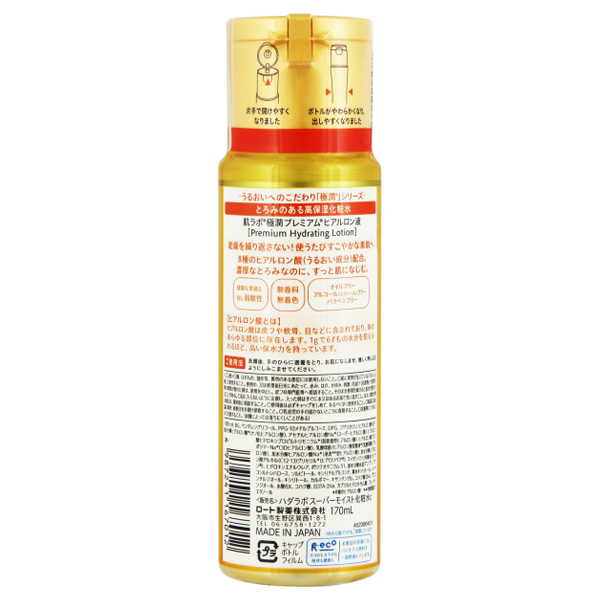
- Hada Labo Gokujun Premium Hyaluronic Acid Lotion, 170 ml, by Hada Labo, a basic hydrating lotion with eight types of hyaluronic acid, free of alcohol and fragrance, from 2620 yen.
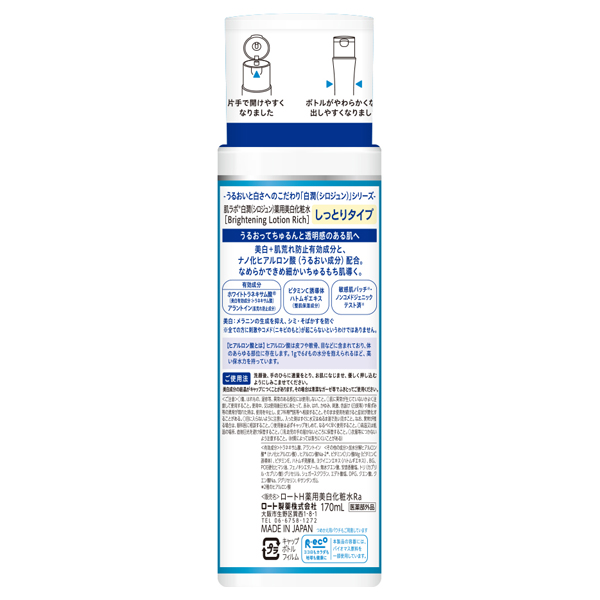
- Hada Labo Shirojyun Medicated Whitening Lotion Moist Type, 170 ml, by Hada Labo, a whitening-care line with tranexamic acid and allantoin, from 2150 yen.
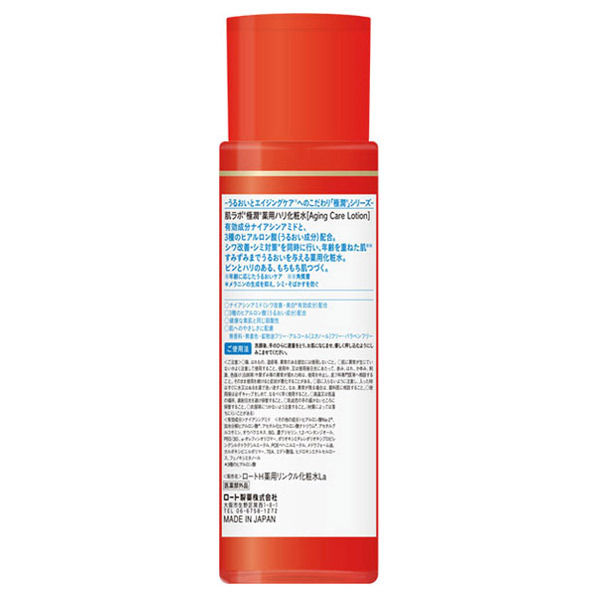
- Hada Labo Medicated Firming Lotion, 170 ml, by Hada Labo, the Gokujyun age-care line with niacinamide, from 2580 yen.
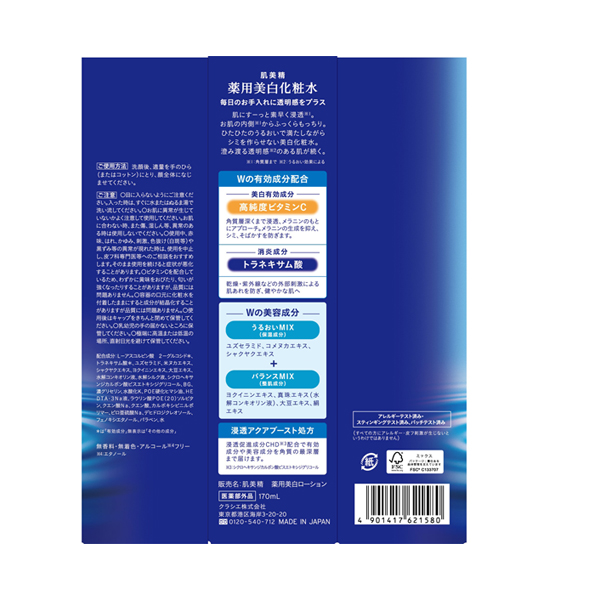
- Hadabisei Medicated Whitening Lotion, 170 ml, by Hadabisei, a whitening formula with tranexamic acid and vitamin C, from 2930 yen.
- Curél Intensive Moisture Care Face Lotion III (Very Moist), 150 ml, by Curél, a ceramide-care lotion for sensitive, dry skin, from 2510 yen.
For more of each line, see the brand pages for Hada Labo and Curél.
FAQ
Can a regular toner replace a Japanese lotion? You can use whatever liquid suits your skin, but an alcohol-based toner is usually not formulated for generous, repeated application and can feel drying when used that way, while a lotion is designed for exactly that.
Does lotion go before or after serum? Lotion usually comes first after cleansing, with serum, if used, applied next, before emulsion and cream.
How much lotion should I use per application? Japanese brands typically recommend an amount about the size of a large coin, noticeably more than "a couple of drops."
Is a medicated whitening lotion fine for daily use? Yes, these lotions are meant for regular daily use, but any reduction in new dark spots develops gradually and also depends on daytime sun protection.
Can I use more than one lotion at a time? It is usually better to pick one lotion that matches your current skin concern and the season, rather than layering several, to avoid overloading the skin with active ingredients.
Products from this article
Catalog sections on this topic
Related articles
- Curél: Japanese Skincare for Sensitive and Dry Skin, and How the Intensive Moisture, Aging, Whitening and Sebum Trouble Care Lines Differ
Curél is a Japanese skincare brand built around a ceramide-care ingredient for dry, sensitive skin. Here is how the Intensive Moisture Care, Aging Care, Whitening Care and Sebum Trouble Care lines differ and how to choose between them.
- Japanese Sheet Masks: How to Choose, How Often to Use and What to Look For
A practical guide to Japanese sheet masks: how pore care, hydration and brightening formulas differ, how often to use them and what to check on the label.
- Japanese Cleansing Oil Guide: How to Choose One and Use It Correctly
Japanese cleansing oil removes makeup and sunscreen without stripping the skin. Here is how to choose the right formula for your skin type and do double cleansing correctly.